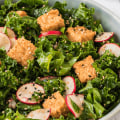
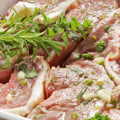
Deep-frying is a culinary technique that has captivated food enthusiasts and home cooks alike for generations. This method involves immersing food in hot oil, typically at temperatures ranging from 160°C to 190°C (320°F to 375°F), allowing it to cook quickly while developing a golden, crispy exterior. The process not only enhances the flavour of the ingredients but also creates a delightful contrast in texture, making it a popular choice for a wide array of dishes, from classic fish and chips to innovative vegetarian options like tempeh.At its core, deep-frying is about achieving the perfect balance between heat and time. When food is submerged in hot oil, the moisture within it rapidly evaporates, forming a barrier that prevents excess oil from being absorbed.
This results in a dish that is both crispy on the outside and tender on the inside. The choice of oil can significantly impact the final flavour and healthiness of the dish; oils with high smoke points, such as peanut or sunflower oil, are often preferred for their ability to withstand high temperatures without breaking down.Understanding the nuances of deep-frying can elevate your cooking skills and expand your culinary repertoire. It is essential to grasp not only the mechanics of the method but also its cultural significance across various cuisines. For instance, in Asian cooking, deep-frying is often used to prepare tempura, where vegetables and seafood are coated in a light batter before frying, resulting in a dish that is both visually appealing and delicious.
Similarly, in Western cuisine, deep-fried foods are often associated with comfort and indulgence.As we delve deeper into the world of deep-frying throughout this article, we will explore its history, benefits, safety precautions, and tips for achieving perfect results every time. Whether you are a seasoned chef or a novice cook looking to experiment with new techniques, understanding deep-frying will undoubtedly enhance your culinary journey.
The Science Behind Deep-Frying
Understanding the science behind deep-frying is essential for anyone looking to master this cooking technique. At its core, deep-frying involves submerging food in hot oil, which facilitates a series of complex physical and chemical reactions that transform the food's texture and flavour.When food is placed in hot oil, the first process that occurs is heat transfer. The oil, heated to a temperature typically between 160°C and 190°C (320°F to 375°F), rapidly transfers heat to the food.This high temperature causes moisture within the food to evaporate quickly, creating steam. As the steam escapes, it helps to form a crispy outer layer while keeping the inside moist and tender.One of the critical factors in achieving optimal results in deep-frying is maintaining the correct oil temperature. If the oil is too hot, it can lead to an overly browned exterior while leaving the inside undercooked. Conversely, if the oil is not hot enough, the food will absorb excess oil, resulting in a greasy texture.
Therefore, using a thermometer to monitor oil temperature is crucial.The Maillard reaction , a chemical reaction between amino acids and reducing sugars that gives browned foods their distinctive flavour and colour, plays a significant role in deep-frying. This reaction occurs at temperatures above 140°C (284°F) and contributes to the appealing golden-brown crust that characterises well-fried foods.Additionally, different types of oils have varying smoke points—the temperature at which they begin to smoke and break down. For instance, oils like peanut or canola have higher smoke points compared to olive oil. Choosing the right oil not only affects flavour but also impacts how well the food cooks.In summary, mastering deep-frying requires an understanding of heat transfer, maintaining appropriate oil temperatures, and recognising how different oils influence cooking outcomes.
By grasping these scientific principles, cooks can achieve perfectly fried dishes that are both delicious and visually appealing.
Benefits of Deep-Frying
Deep-frying is not merely a cooking technique; it is an art form that brings a multitude of benefits to the culinary experience. One of the most significant advantages of deep-frying is the enhanced flavour it imparts to food. When food is submerged in hot oil, the high temperatures cause the Maillard reaction, which creates complex flavours and aromas that are simply unattainable through other cooking methods. This reaction not only enhances the taste but also adds a delightful golden-brown colour that is visually appealing.Another key benefit of deep-frying is the texture it provides.Foods that are deep-fried develop a crispy exterior while maintaining a moist and tender interior. This contrast in texture is particularly enjoyable and can elevate even the simplest ingredients into gourmet delights. For instance, deep-fried tempeh can transform from a bland protein source into a crunchy, flavour-packed dish that can be enjoyed on its own or as part of a larger meal.Moreover, deep-frying can serve as an effective preservation method. The high temperatures involved in frying create a barrier that helps seal in moisture and flavour while simultaneously inhibiting the growth of bacteria.
This characteristic makes deep-fried foods not only delicious but also longer-lasting when stored properly.Additionally, deep-frying allows for versatility in cooking. A wide range of ingredients can be deep-fried, from vegetables to meats and even desserts. This adaptability means that home cooks and professional chefs alike can experiment with various flavours and textures, making it an exciting method to explore.Finally, deep-frying can be a time-efficient cooking method. The quick cooking times associated with frying mean that meals can be prepared rapidly without sacrificing quality or taste.
For those with busy lifestyles, this efficiency can be a significant advantage.In summary, the benefits of deep-frying extend beyond mere convenience; they encompass enhanced flavour, appealing texture, preservation qualities, versatility, and time efficiency. These advantages make deep-frying a popular choice among both amateur cooks and culinary professionals.
Drawbacks and Considerations of Deep-Frying
While deep-frying is a beloved cooking method that can produce deliciously crispy foods, it is essential to consider the potential drawbacks and health implications associated with this technique. Understanding these factors can help individuals make informed choices about their cooking methods and dietary habits.Health Concerns
One of the primary concerns regarding deep-frying is its impact on health. Foods that are deep-fried tend to absorb a significant amount of oil, which can lead to higher calorie counts and increased fat content.Regular consumption of deep-fried foods has been linked to various health issues, including:
- Obesity: The high caloric density of fried foods can contribute to weight gain if consumed in excess.
- Heart Disease: Deep-frying often involves oils that are high in saturated fats and trans fats, which can raise cholesterol levels and increase the risk of heart disease.
- Diabetes: A diet rich in fried foods may lead to insulin resistance, increasing the risk of type 2 diabetes.
Frying Safety Tips
In addition to health concerns, safety is a significant consideration when deep-frying. The process involves hot oil, which can pose serious risks if not handled properly. Here are some essential safety tips to keep in mind:- Use a Deep Fryer or Heavy Pot: Ensure you use appropriate equipment designed for deep-frying. A deep fryer or a heavy pot with high sides can help prevent spills and splatters.
- Monitor Oil Temperature: Always use a thermometer to check the oil temperature.
Keeping it within the recommended range (typically between 160°C and 190°C) is crucial for safe frying.
- Avoid Overcrowding: Frying too much food at once can lower the oil temperature, leading to greasy results and increasing the risk of splattering.
- Keep a Fire Extinguisher Nearby: In case of an oil fire, having a fire extinguisher rated for grease fires (Class K) nearby is essential for safety.
Choosing the Right Oil for Deep-Frying
When it comes to deep-frying, the choice of oil is crucial for achieving the best results. Different oils have varying smoke points, flavours, and health benefits, which can significantly affect the outcome of your fried dishes. Here’s a detailed look at some of the best oils for frying and what to consider when selecting the right one.Understanding Smoke Points
The smoke point of an oil is the temperature at which it begins to smoke and break down, producing harmful compounds and an unpleasant flavour.For deep-frying, it is essential to choose oils with high smoke points, typically above 180°C (356°F). Here are some popular options:
- Peanut Oil: With a smoke point of around 232°C (450°F), peanut oil is a favourite for deep-frying due to its neutral flavour and ability to withstand high temperatures.
- Coconut Oil: This oil has a smoke point of approximately 177°C (350°F) for unrefined and 232°C (450°F) for refined versions. Its unique flavour can enhance certain dishes, making it a versatile choice.
- Canola Oil: Known for its light taste and high smoke point of about 204°C (400°F), canola oil is often used in commercial kitchens for frying.
- Vegetable Oil: Typically a blend of different oils, vegetable oil has a smoke point ranging from 190°C to 230°C (374°F to 446°F), making it suitable for various frying applications.
- Safflower Oil: With one of the highest smoke points at around 265°C (509°F), safflower oil is excellent for deep-frying and has a mild flavour that won’t overpower your food.
Flavour Considerations
The flavour profile of the oil can also impact your dish. For instance, oils like olive oil have a distinct taste that may not be suitable for all fried foods.If you want to maintain the original flavour of your ingredients, opt for neutral oils such as canola or vegetable oil. Conversely, if you’re looking to add depth to your dish, consider using oils with more character, like sesame or coconut oil.
Health Aspects
When selecting frying oils, health considerations are paramount. Oils high in saturated fats, such as palm oil, should be used sparingly. Instead, focus on oils rich in unsaturated fats, like olive or avocado oil, which offer better health benefits.Additionally, consider oils that contain omega-3 fatty acids, as they can contribute positively to heart health.In conclusion, choosing the right oil for deep-frying involves balancing smoke points, flavours, and health benefits. By understanding these factors, you can enhance your cooking experience and achieve delicious results every time you fry.
Essential Equipment for Deep-Frying
When it comes to deep-frying, having the right equipment is crucial for both safety and achieving the best results. Below is a comprehensive list of essential tools and gear that will help you navigate the deep-frying process with confidence.- Deep Fryer: A dedicated deep fryer is an excellent investment for anyone serious about frying. These appliances are designed to maintain a consistent temperature, which is vital for achieving that perfect crispy texture.
Look for models with adjustable temperature settings and a built-in timer for added convenience.
- Heavy-Duty Pot or Dutch Oven: If you prefer traditional methods, a heavy-duty pot or Dutch oven can also be used for deep-frying. Ensure it has high sides to prevent oil splatter and is made from materials that can withstand high temperatures.
- Thermometer: A reliable cooking thermometer is essential for monitoring oil temperature. An instant-read thermometer or a deep-frying thermometer with a clip can help you ensure the oil is at the optimal frying temperature, typically between 325°F and 375°F (163°C to 190°C).
- Slotted Spoon or Spider Strainer: These tools are invaluable for safely removing food from hot oil. A slotted spoon allows excess oil to drain off, while a spider strainer provides a larger surface area for lifting multiple pieces at once.
- Cooling Rack: After frying, place your food on a cooling rack set over a baking sheet.
This allows air to circulate around the food, preventing it from becoming soggy as it cools.
- Safety Gear: Safety should always be a priority when deep-frying. Consider wearing long sleeves and an apron to protect your skin from hot oil splashes. Additionally, using heat-resistant gloves can provide extra protection when handling hot equipment.
- Fire Extinguisher: It’s wise to have a fire extinguisher rated for grease fires nearby when deep-frying. In case of an emergency, knowing you have the right equipment can provide peace of mind.
Remember that preparation is key; having everything ready before you start frying will make the process smoother and more enjoyable.
Step-by-Step Guide to Deep-Frying Tempeh
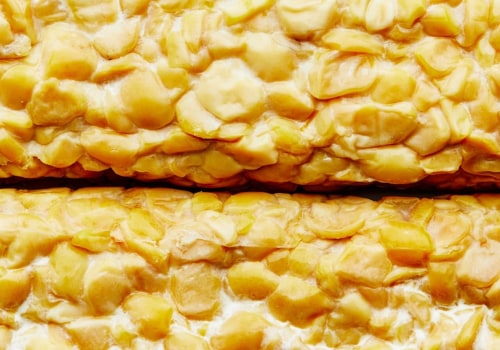
Deep-frying tempeh is a fantastic way to enhance its flavour and texture, making it a delightful addition to various dishes. This step-by-step guide will walk you through the process of preparing and frying tempeh, ensuring you achieve crispy, golden results every time.Ingredients Needed:
- 1 block of tempeh (approximately 250g)
- Vegetable oil (enough for deep-frying)
- Your choice of marinade or seasoning (optional)
Preparation Steps:
- Slice the Tempeh: Begin by cutting the tempeh into your desired shapes. Common options include cubes, triangles, or thin strips. Aim for uniform sizes to ensure even cooking.
- Marinate (Optional): For added flavour, marinate the sliced tempeh in your choice of sauce or seasoning for at least 30 minutes.
Soy sauce, garlic, ginger, or even a spicy marinade can elevate the taste significantly.
- Heat the Oil: In a deep pot or fryer, heat enough vegetable oil to submerge the tempeh pieces. Use a thermometer to monitor the temperature; it should reach between 175°C and 190°C (350°F to 375°F) for optimal frying.
- Test the Oil: Before adding all the tempeh, test the oil by dropping in a small piece. If it sizzles and rises to the surface, the oil is ready.
- Fry the Tempeh: Carefully add the marinated tempeh pieces to the hot oil in batches. Avoid overcrowding the pot, as this can lower the oil temperature and result in soggy tempeh.
Fry for about 3-5 minutes or until golden brown and crispy.
- Drain Excess Oil: Once cooked, use a slotted spoon to remove the tempeh from the oil and place it on a plate lined with paper towels to absorb any excess oil.
- Serve: Enjoy your deep-fried tempeh as a snack, in salads, or as part of a main dish. It pairs wonderfully with dipping sauces like sweet chilli or peanut sauce.
Tips for Perfectly Fried Tempeh:
- Choose Fresh Tempeh: Ensure that your tempeh is fresh for the best flavour and texture.
- Control Oil Temperature: Maintaining the right oil temperature is crucial; too hot can burn the outside while leaving the inside undercooked.
- Experiment with Flavours: Don’t hesitate to try different marinades or seasonings to find your perfect combination.
Creative Deep-Fried Tempeh Recipes
Deep-fried tempeh is a versatile ingredient that can elevate a variety of dishes, adding a delightful crunch and rich flavour. Here are some creative recipes that showcase the potential of this protein-packed food.1.Spicy Deep-Fried Tempeh Bites
These bite-sized pieces are perfect as a snack or appetizer. To prepare:- Ingredients: 200g tempeh, 1 cup buttermilk (or plant-based alternative), 1 cup flour, 1 tsp cayenne pepper, salt to taste.
- Instructions:
- Cut the tempeh into small cubes and marinate in buttermilk for at least 30 minutes.
- In a separate bowl, mix flour, cayenne pepper, and salt.
- Heat oil in a deep fryer or large pot to 180°C (350°F).
- Dredge the marinated tempeh in the flour mixture and fry until golden brown, about 3-4 minutes.
- Drain on paper towels and serve with your favourite dipping sauce.
2.Crispy Tempeh Tacos
Add a twist to your taco night with crispy deep-fried tempeh.This recipe is sure to impress:
- Ingredients: 250g tempeh, taco seasoning, corn tortillas, avocado, salsa.
- Instructions:
- Slice the tempeh into thin strips and coat with taco seasoning.
- Deep-fry the strips until crispy and golden.
- Warm the corn tortillas in a pan.
- Assemble tacos by adding fried tempeh, sliced avocado, and salsa on top.
3.Tempeh Nuggets with Honey Mustard Dip
A fun and tasty option for kids and adults alike!- Ingredients: 200g tempeh, 1 cup breadcrumbs, 1 egg (or flax egg), honey mustard for dipping.
- Instructions:
- Cut tempeh into nugget-sized pieces.
- Dip each piece in egg (or flax egg) and then coat with breadcrumbs.
- Deep-fry until golden brown and crispy.
- Serve with honey mustard dip for a delicious treat!
Safety Tips for Deep-Frying at Home
Deep-frying can be a delightful cooking method, but it also comes with its share of risks. To ensure a safe frying experience at home, it is crucial to follow specific safety tips that can help prevent accidents and injuries.1.Wear Appropriate Clothing
- Opt for long sleeves and pants to protect your skin from potential splashes of hot oil.
- Avoid loose clothing that could catch fire or get caught in equipment.
2.Use the Right Equipment
- Invest in a quality deep fryer or use a heavy pot with a lid to contain the oil safely.
- Always have a deep-frying thermometer on hand to monitor the oil temperature accurately.
- Utilise a slotted spoon or tongs to handle food safely, reducing the risk of burns.
3.Maintain a Safe Temperature
- Keep the oil temperature between 325°F and 375°F (163°C to 190°C) for optimal frying results.
- Be cautious of overheating the oil, as it can ignite and cause a fire hazard.
4.Stay Alert and Attentive
- Never leave hot oil unattended; always keep an eye on the frying process.
- If you must step away, turn off the heat source to prevent accidents.
5.Keep Children and Pets Away
- Create a safe zone around your cooking area to prevent curious children and pets from getting too close.
- Educate older children about the dangers of hot oil and cooking equipment.
6.Properly Dispose of Used Oil
- Allow the oil to cool completely before transferring it to a suitable container for disposal.
- Avoid pouring used oil down the drain, as it can cause plumbing issues; instead, check local guidelines for disposal methods.
7.Know How to Handle Oil Fires
- If an oil fire occurs, never use water to extinguish it; this can cause the fire to spread.
- Instead, cover the pot with a metal lid or use a fire extinguisher rated for grease fires (Class K).
Conclusion: Mastering the Art of Deep-Frying Tempeh
In conclusion, mastering the art of deep-frying tempeh can elevate your culinary repertoire and introduce a delightful twist to your meals.Throughout this article, we have explored the intricacies of deep-frying, highlighting its ability to transform ingredients into crispy, flavourful dishes. Tempeh, with its unique texture and nutritional profile, is an excellent candidate for this cooking method.Understanding the benefits of deep-frying tempeh is crucial. The high temperatures involved not only create a satisfying crunch but also enhance the umami flavours inherent in tempeh. This method allows for a variety of seasonings and marinades to penetrate the tempeh, resulting in a dish that is both rich in taste and appealing in texture.
Moreover, deep-frying can be a quick cooking technique, making it ideal for busy weeknight dinners or entertaining guests.However, it is equally important to acknowledge the challenges associated with deep-frying. Safety precautions must be taken seriously to prevent accidents and injuries from hot oil. Additionally, managing oil temperature is vital; too hot can lead to burnt food, while too cool can result in greasy textures. Therefore, investing in a reliable thermometer and using appropriate equipment is essential for achieving optimal results.As you embark on your journey of deep-frying tempeh, don’t hesitate to experiment with different marinades and coatings.
From spicy seasonings to sweet glazes, the possibilities are endless. Consider pairing your crispy tempeh with fresh salads or dipping sauces to create a well-rounded meal.Ultimately, deep-frying tempeh is not just about cooking; it’s about exploring new flavours and textures that can invigorate your dining experience. So gather your ingredients, prepare your oil, and dive into the exciting world of deep-frying. With practice and creativity, you will soon master this technique and impress family and friends with your culinary skills.